

Digital Construction using VDC
The use of Virtual Design and Construction (VDC) and Virtual Reality (VR) makes NCC a leading contractor in digitalization and digital construction.
Why VDC?
VDC provides all collaborators with far better insight and understanding of the construction project, and VDC thereby offers our customers as well as our collaborative partners a highly improved basis for making important decisions about the construction design.
The foundation of VDC is that all project participants have access to the right information at the right time. This means real-time and up-to-date information, which leads to a better understanding of what the clients wants and what effort will be needed to make the vision come true.
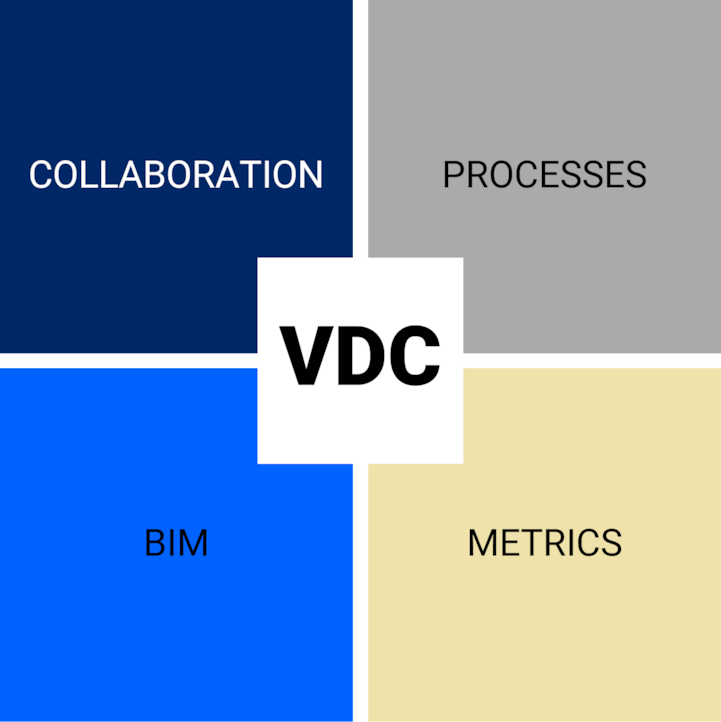
What is VDC?
Collaboration: How we work together with our collaborative partners on projects, e.g. through the use of NCC Project Studio.
BIM - Building Information Modeling: How we create and reuse information with digital tools, e.g. for (4D) time schedule visualization, void coordination, clash detection, quantity takeoff, etc.
Processes: How we support the work in our core business areas such as design, production and supplier processes.
Metrics: How we measure the value of our actions
Learn more about how NCC works with VDC
What we do
With VDC we minimize the risks for our customers and for NCC. This is achieved by digitally planning, simulating and examining the construction project during the entire design and construction phase. This way, risks of errors are minimized and the optimal frames for execution are created with focus on sustainable solutions, quality and safety.
NCC uses VDC to handle information digitally throughout the entire project life cycle as we first simulate, predict and analyse the project, and then continue in the production phase and perform follow-up, documentation and visualization of progress and the final product.